How to Train for Your First 10K: An 8-Week Plan
Runward —
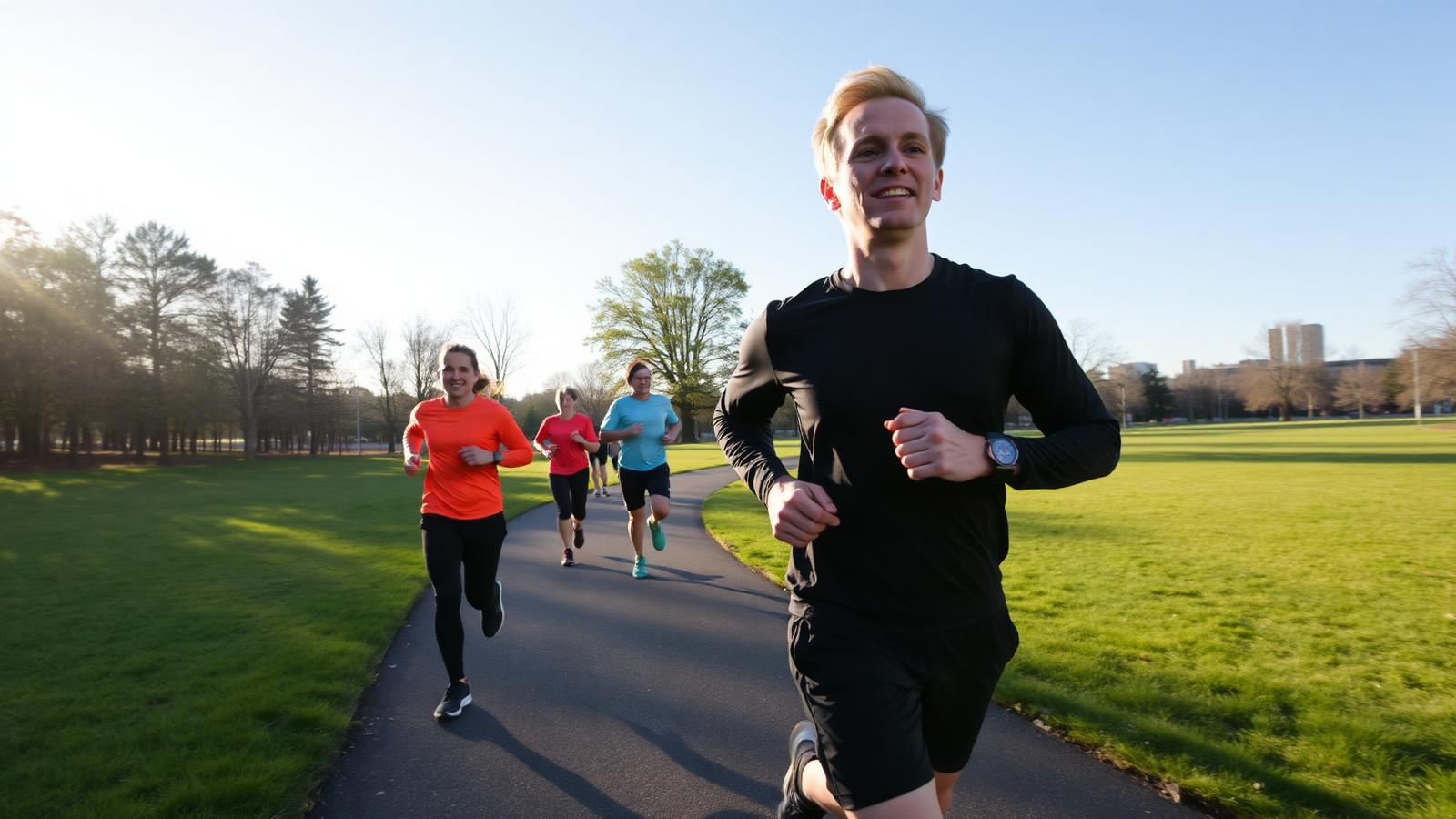
A 10K is the perfect first race distance. It is long enough to demand real endurance, short enough to train for in two months, and it teaches pacing better than any other distance.
Before you start
You should be able to run 4–5 km continuously and run three times a week without soreness lingering into the next session. If not, spend four weeks building that base with easy running first.
The weekly structure
Four sessions a week is the sweet spot for a first 10K:
- Easy run — 30–40 minutes, conversational.
- Quality session — intervals or tempo.
- Easy run — 30–40 minutes, optional cross-training instead.
- Long run — the session that grows each week.
Add two short strength sessions and at least one full rest day.
Find your Pace
Turn your goal 10K finish time into per-kilometre targets for every interval and tempo session in the plan below.
The 8-week plan
| Week | Quality session | Long run | Weekly total |
|---|---|---|---|
| 1 | 6 × 400 m at interval pace, 90 s jog | 6 km | ~20 km |
| 2 | 20 min tempo | 7 km | ~22 km |
| 3 | 5 × 800 m at interval pace, 2 min jog | 8 km | ~25 km |
| 4 | 25 min tempo | 6 km (easier week) | ~21 km |
| 5 | 4 × 1 km at 10K pace, 2 min jog | 9 km | ~27 km |
| 6 | 2 × 15 min tempo, 3 min jog | 10 km | ~30 km |
| 7 | 3 × 2 km at 10K pace, 3 min jog | 8 km | ~26 km |
| 8 | 4 × 400 m at 5K pace | Race day | ~18 km |
Warm up every quality session with 10 minutes easy jogging plus a few 20-second strides, and cool down with 10 minutes easy.
Race week
Cut your volume by about 40% but keep the intensity brief and sharp — a short session of 4 × 400 m two or three days out keeps your legs awake. Sleep matters more than any last workout. Do nothing new: no new shoes, no new breakfast, no new gels.
Race-day pacing
The most common first-10K mistake is running the first kilometre 20–30 seconds too fast, then paying for it from 6 km onward. Split the race in thirds:
- km 1–3: goal pace plus 5 seconds. It should feel too easy.
- km 4–7: settle onto goal pace and hold.
- km 8–10: this is where you spend everything you saved.
Drink at one aid station if it is warm; for most runners a 10K needs no gels.
After the race
Take three to five easy days, then decide your next target. A 10K base transfers directly into half marathon training — you already have the weekly structure, you simply extend the long run.
Follow the plan without guessing
Runward turns your 10K goal into a week-by-week plan, converts your goal time into per-kilometre targets for every interval and tempo session, and adjusts the plan when your recent runs show you are ahead of or behind schedule. It also predicts your realistic 10K finish time from your actual training data, so your goal pace is grounded in evidence rather than hope.